
Hear from Our Customers
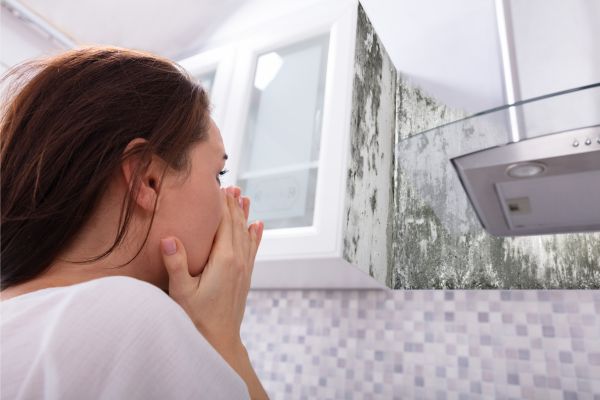
You’re not imagining it. That musty smell in the basement. The allergies that won’t quit. The water stain that dried months ago but still worries you.
Mold doesn’t always announce itself. It hides behind walls, under carpets, in crawl spaces you never check. And while it’s hiding, it’s releasing spores that affect your respiratory system, trigger allergies, and create long-term health risks for everyone in your home.
Professional mold testing gives you what you actually need: accurate identification of what’s growing, where it’s growing, and how serious the problem is. Not a guess. Not a visual inspection that misses what’s behind the drywall. A real assessment using EPA-approved methods and lab analysis that tells you exactly what you’re dealing with.
That’s when you can make informed decisions. Whether it’s a minor issue you can monitor or a contamination problem that needs immediate attention, you’ll know. And knowing means you can protect your family’s health, preserve your property value, and stop wondering if that cough is just seasonal or something worse.
We work throughout Vermilion Hill and Bucks County, where humid summers and damp winters create perfect conditions for mold growth. We know the local housing stock—the older basements, the moisture problems that come with Pennsylvania weather, the hidden spots where contamination takes hold.
Our technicians use EPA-approved testing methods and advanced detection equipment to assess your entire property. We’re not here to sell you services you don’t need. We’re here to give you accurate information so you can decide what’s right for your home.
We offer free inspections because we believe you deserve to know what’s happening in your house without a sales pitch attached. If there’s a problem, we’ll explain it clearly. If there’s not, we’ll tell you that too.
We start with a thorough visual inspection of your property. That means checking the obvious spots—bathrooms, basements, attics—and the places most people don’t think about. Wall cavities. Behind appliances. Crawl spaces. Anywhere moisture can collect.
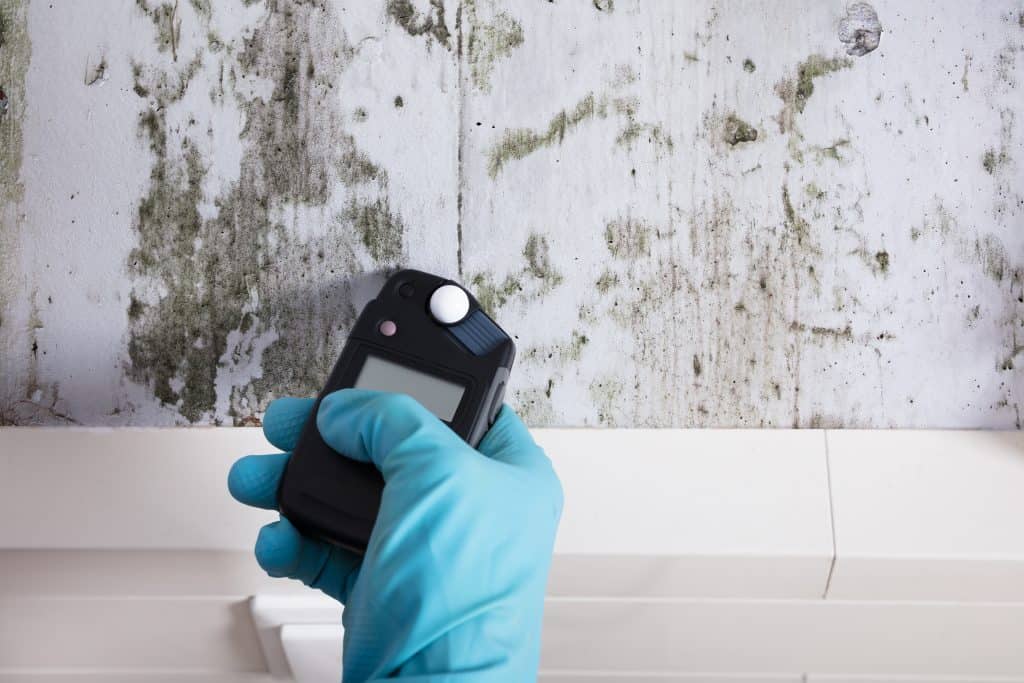
Next, we use specialized equipment to detect mold that isn’t visible. Air quality testing identifies spores circulating through your home. Moisture meters find dampness hidden in building materials. Infrared cameras reveal temperature differences that indicate water intrusion.
When we find something, we collect samples. Those samples go to an independent lab for analysis. The lab identifies the exact type of mold, the concentration levels, and whether it poses a health risk. You get a detailed report that explains what was found and what it means in plain language.
Then we walk you through your options. If remediation is needed, we explain the process and the cost. If the issue is minor, we’ll tell you how to monitor it. If there’s no mold problem at all, you’ll have documentation proving your home is clean—valuable information for insurance claims or real estate transactions.
Ready to get started?
Your mold testing service covers your entire property, not just the room where you noticed a problem. We inspect basements, bathrooms, kitchens, attics, crawl spaces, and any area with past water damage or visible moisture issues.
Air quality testing measures the concentration of mold spores in your indoor environment. This matters because mold you can’t see is often the mold causing health symptoms. Spores circulate through your HVAC system, affecting every room in your house.
Surface sampling collects physical mold growth for lab identification. Different mold types require different removal approaches. Black mold needs aggressive remediation. Other species might need nothing more than improved ventilation. The lab analysis tells us which you’re dealing with.
In Bucks County, we pay special attention to basements and foundations. Older homes in Vermilion Hill often lack modern moisture barriers. Spring thaw and summer humidity create conditions where mold thrives in these below-grade spaces. We check these areas carefully because that’s where problems usually start.
You’ll receive a written report with lab results, photos of affected areas, moisture readings, and our professional assessment. That documentation is yours to keep—useful for insurance claims, real estate disclosures, or your own peace of mind.
We offer free mold inspections for residential properties in Vermilion Hill and throughout Bucks County. That inspection includes a visual assessment of your entire property and moisture detection in suspected areas.
If lab testing is recommended, costs depend on how many samples we need to collect. A single-room issue might require one or two samples. Whole-house contamination needs multiple samples from different areas to understand the full scope. We’ll explain exactly what’s needed and why before collecting any samples that involve lab fees.
Most homeowners spend between $300 and $600 for comprehensive testing with lab analysis. That’s significantly less than the cost of ignoring a mold problem until it requires major remediation. And if your testing is related to a water damage insurance claim, your policy may cover the inspection cost.
A mold inspection is a visual assessment of your property. We look for visible mold growth, water damage, moisture problems, and conditions that promote mold development. We use moisture meters and thermal imaging to detect issues you can’t see with your eyes alone.
Mold testing goes further. We collect air samples or surface samples and send them to a certified lab for analysis. The lab identifies the specific type of mold, measures the concentration, and determines whether levels are elevated compared to outdoor air.
You might need just an inspection if you’re checking a property before purchase or after resolving a water leak. You need actual testing when health symptoms suggest mold exposure, when you smell mold but can’t find the source, or when you need documentation for insurance or legal purposes. We’ll recommend testing only when it provides information that changes how you should respond to the situation.
The on-site inspection typically takes one to two hours, depending on your property size and the number of areas we need to assess. We’re thorough because missing a contaminated area means you don’t get accurate information about your indoor air quality.
Sample collection adds minimal time. Air samples run for a specific duration to capture an accurate spore count. Surface samples take just minutes to collect.
Lab results usually come back within three to five business days. The lab needs time to culture samples and identify mold species accurately. Rush testing is available for urgent situations—you can get preliminary results in 24 to 48 hours for an additional fee.
Once we receive the lab report, we’ll contact you to review the findings. We’ll explain what was found, what it means for your health and property, and what your options are. That conversation happens in plain language, not technical jargon. You’ll understand exactly what’s happening in your home.
Home testing kits are available at hardware stores, but they have significant limitations. Most kits only tell you that mold is present—which is true in virtually every home. Mold spores exist everywhere. What matters is the type of mold and the concentration level.
DIY kits don’t measure spore concentration in your air. They don’t compare indoor levels to outdoor baseline levels. They can’t tell you if your mold problem is worse than normal or within acceptable ranges. And they often can’t identify specific mold species, which is critical information for determining health risk.
Professional testing uses calibrated equipment and certified lab analysis. We collect samples using methods that prevent contamination. We know where to test and how many samples provide accurate data. We compare your results to established standards so you know if remediation is actually necessary.
If you’re concerned enough to test for mold, you’re concerned enough to get accurate results. A home kit might cost $40, but it won’t give you the information you need to make good decisions about a problem that could cost thousands to fix later.
Bucks County’s climate creates ideal conditions for several mold species. Cladosporium and Penicillium are the most common—they thrive in damp areas and often appear as black or green spots on walls, ceilings, and grout. These molds trigger allergies and respiratory irritation but aren’t typically considered highly toxic.
Aspergillus is also common in Pennsylvania homes. It grows in dust, insulation, and HVAC systems. Some Aspergillus species produce mycotoxins that cause serious health effects, especially in people with compromised immune systems.
Stachybotrys, known as black mold, appears less frequently but gets the most attention because of its health risks. It needs sustained moisture to grow—typically from ongoing leaks or flooding. It appears as dark black or greenish patches and has a strong musty odor. This is the mold that requires professional remediation, not DIY cleanup.
The only way to know which mold you have is through lab testing. Visual identification isn’t reliable. Different mold species can look identical but require completely different responses. That’s why we send samples to certified labs instead of guessing based on appearance.
Mold can start growing within 24 to 48 hours after water exposure. But you shouldn’t test immediately after water damage—you should start drying and remediation right away to prevent mold growth in the first place.
Testing makes sense after the affected area has dried, typically seven to ten days post-incident. That gives you time to remove wet materials, dry the structure, and address the moisture source. Then testing confirms whether your cleanup was successful or if mold established itself despite your efforts.
You should also test if you had water damage weeks or months ago and now notice musty odors, visible growth, or health symptoms. Water doesn’t have to be dramatic flooding. Slow leaks from pipes, roofs, or foundations cause just as much mold growth over time.
In Vermilion Hill, spring basement flooding is common when snow melts and groundwater rises. Even if you pump out the water and think everything dried fine, testing confirms whether mold took hold in wall cavities or under flooring. Catching it early means simpler, less expensive remediation than discovering a major contamination problem years later.
Other Services we provide in Vermilion Hill